4 Sep 2026
Tracing Regulatory Milestones and Community Influences Across Digital Wagering Platforms
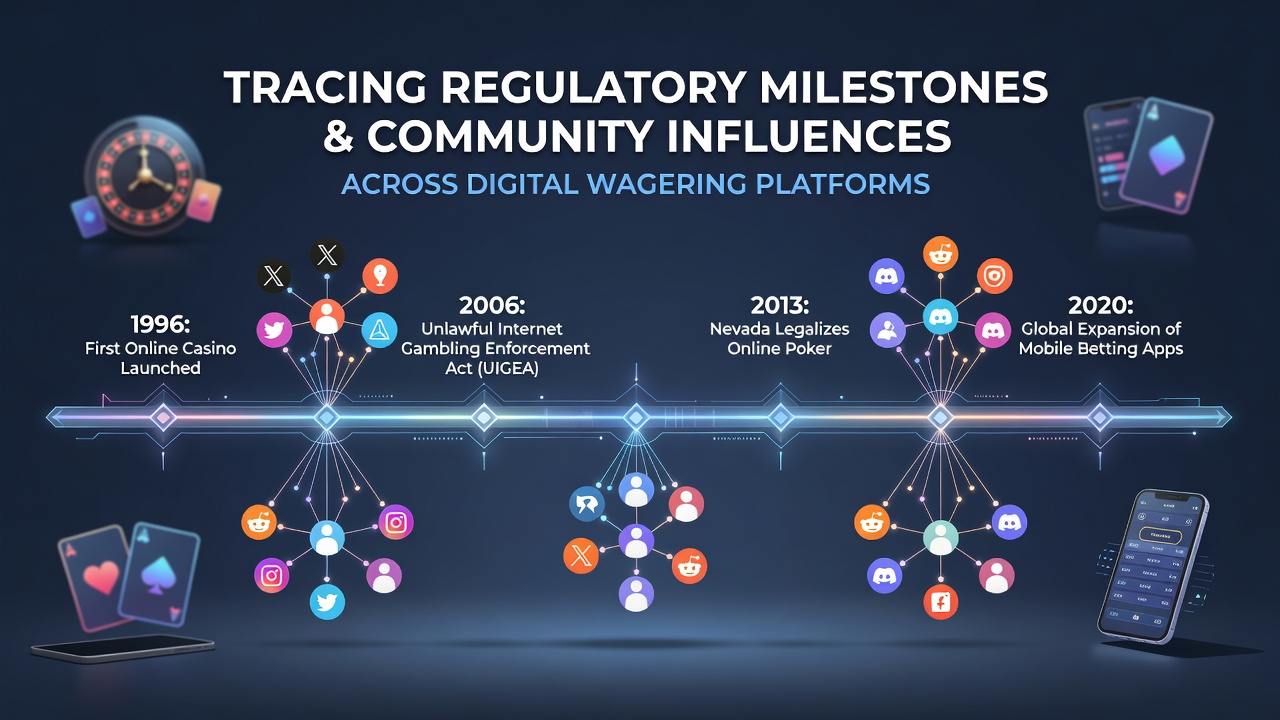
Digital wagering platforms have evolved under layers of regulatory changes that span multiple continents and decades, with community voices shaping enforcement priorities along the way. Early milestones trace back to the US Unlawful Internet Gambling Enforcement Act of 2006, which restricted financial transactions tied to online betting and forced operators to adjust compliance structures across state lines.
Early Milestones in US Regulation
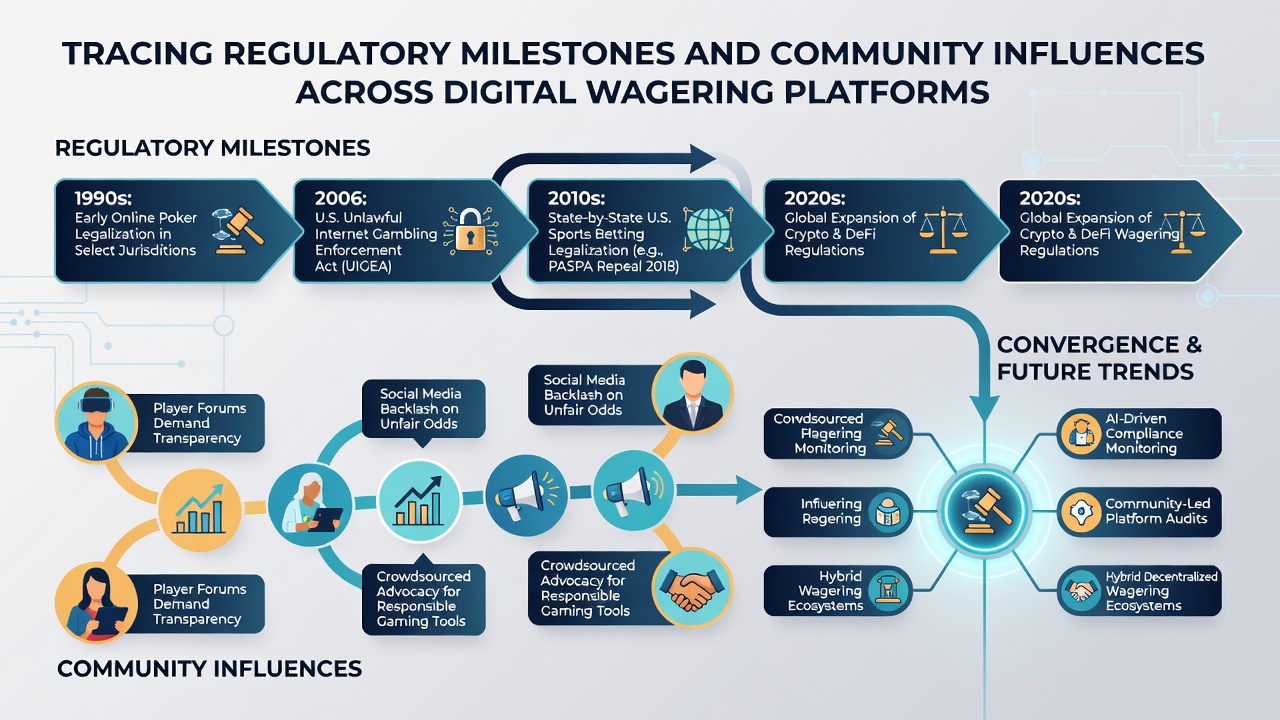
State-level developments accelerated after the 2018 Supreme Court decision that struck down the Professional and Amateur Sports Protection Act, opening doors for individual jurisdictions to license digital operators. By 2020 more than twenty states had active sports wagering frameworks, each requiring operators to meet data reporting standards and player verification protocols that continue to tighten. Researchers at the National Conference of State Legislatures track these shifts, noting that licensing fees and tax structures vary widely yet share common threads around consumer protection mandates.
International Developments and Cross-Border Standards
Across the Atlantic, the European Union issued updated directives on remote gambling in the mid-2010s that emphasized licensing transparency and cross-border cooperation among member states. Australia introduced the Interactive Gambling Amendment Act in 2017, which banned certain online casino offerings while preserving sports betting channels under strict advertising rules enforced by the Australian Communications and Media Authority. Canadian provinces moved toward unified standards after federal changes in 2021 allowed provinces to regulate their own markets, with Ontario launching the first regulated iGaming framework in 2022. Observers note that these regional approaches often reference each other during policy reviews, creating informal alignment on issues like age verification and responsible play tools.
Community Input and Policy Evolution
Player advocacy groups and responsible gambling organizations have inserted themselves into regulatory conversations through public consultations and data submissions. In several US states, coalitions of former players and mental health advocates successfully pushed for mandatory self-exclusion registries and deposit limit features that operators must now integrate into platform code. Similar community pressure in European markets led to stricter rules on bonus promotions and advertising frequency, with regulators citing survey data from user groups when drafting new guidance. These influences appear most visible during annual review periods, where public comment windows allow stakeholders to submit evidence on emerging risks such as underage access or problem gambling indicators.
September 2026 marks a scheduled review point for several overlapping frameworks, including proposed updates to Canadian provincial licensing agreements and anticipated EU evaluations of digital advertising standards. Industry reports indicate that operators are already preparing documentation on player behavior metrics to meet anticipated reporting expansions.
Data Sharing and Enforcement Mechanisms
Enforcement agencies increasingly rely on shared databases to monitor suspicious activity across platforms, with examples including the International Association of Gaming Regulators maintaining collaborative alerts on unlicensed operators. Academic studies from institutions such as the University of Nevada, Las Vegas document how community-submitted complaint data has informed enforcement priorities, particularly around misleading marketing practices. Figures from these studies reveal that jurisdictions incorporating direct player feedback loops experience faster identification of non-compliant operators compared with those relying solely on internal audits.
Looking Ahead to Integrated Oversight
Future regulatory architecture appears headed toward greater integration of real-time monitoring systems that combine operator data with community-reported incidents. Several jurisdictions have piloted dashboards that allow regulators to view aggregated player limit usage and self-exclusion rates, with plans to expand these tools in coming review cycles. Community organizations continue to supply qualitative evidence that complements quantitative metrics, creating a feedback mechanism that regulators cite when refining enforcement guidelines.
Conclusion
Regulatory milestones in digital wagering reflect a pattern of incremental adjustments driven by both legislative action and sustained community engagement. From the foundational US restrictions of 2006 through recent provincial expansions in Canada, each phase incorporates lessons from prior implementations while responding to new forms of player input. As September 2026 approaches, ongoing data collection and public consultations will likely determine the next set of compliance requirements across these platforms.